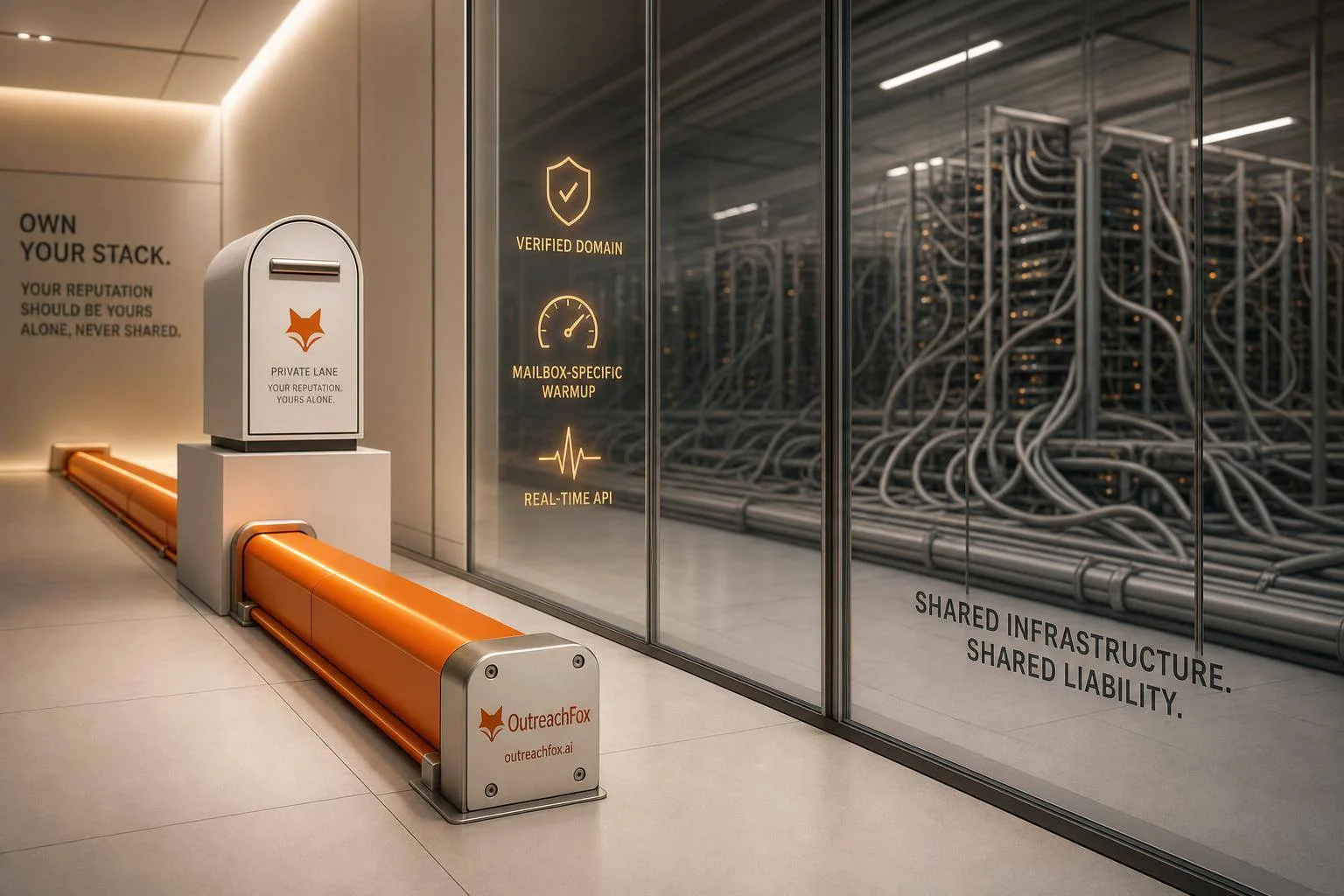
Why Outreach Infrastructure Matters More Than Features (And Why Most Platforms Get It Wrong)
Outreach platforms often prioritize flashy features over infrastructure, but weak DNS setup, shared sending pools, and poor monitoring can tank deliverability before your message even gets tested. Isolated infrastructure matters more than s
 Timothy VaddeJul 10, 2026
15 Cold Email Templates (Tested on 500K+ Prospects) With Edit-Ready Copy
15 Cold Email Templates (Tested on 500K+ Prospects) With Edit Ready Copy Most cold emails fail for simple reasons: weak targeting, no clear trigger, too much copy, or a hard ask too early. I’d sum this article up like this: if you want more
Timothy VaddeJul 10, 2026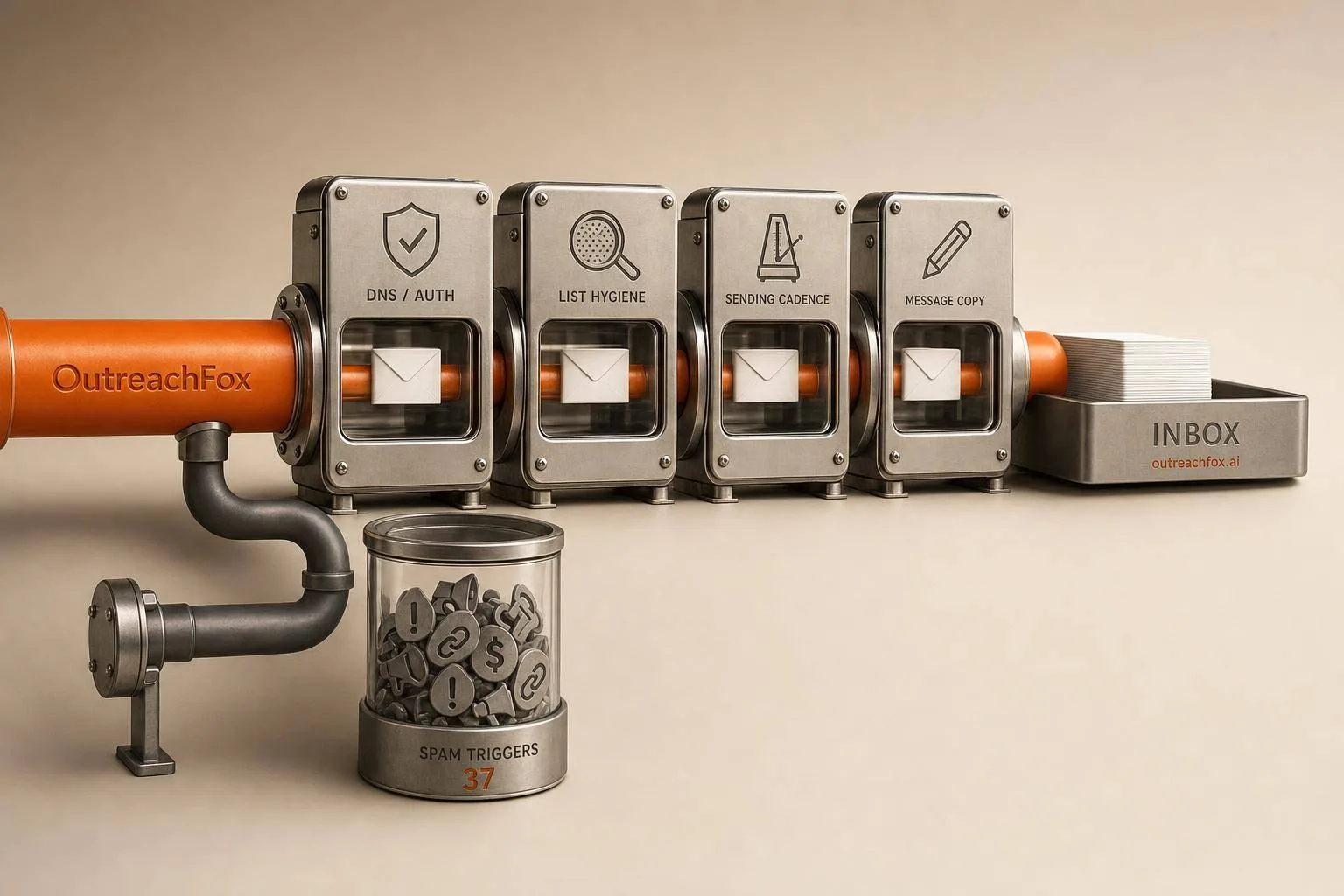
37 Cold Email Spam Triggers (And How to Avoid Each One)
37 Cold Email Spam Triggers (And How to Avoid Each One) A cold email can show as “delivered” and still miss the inbox. That’s the main point here.
Timothy VaddeJul 9, 2026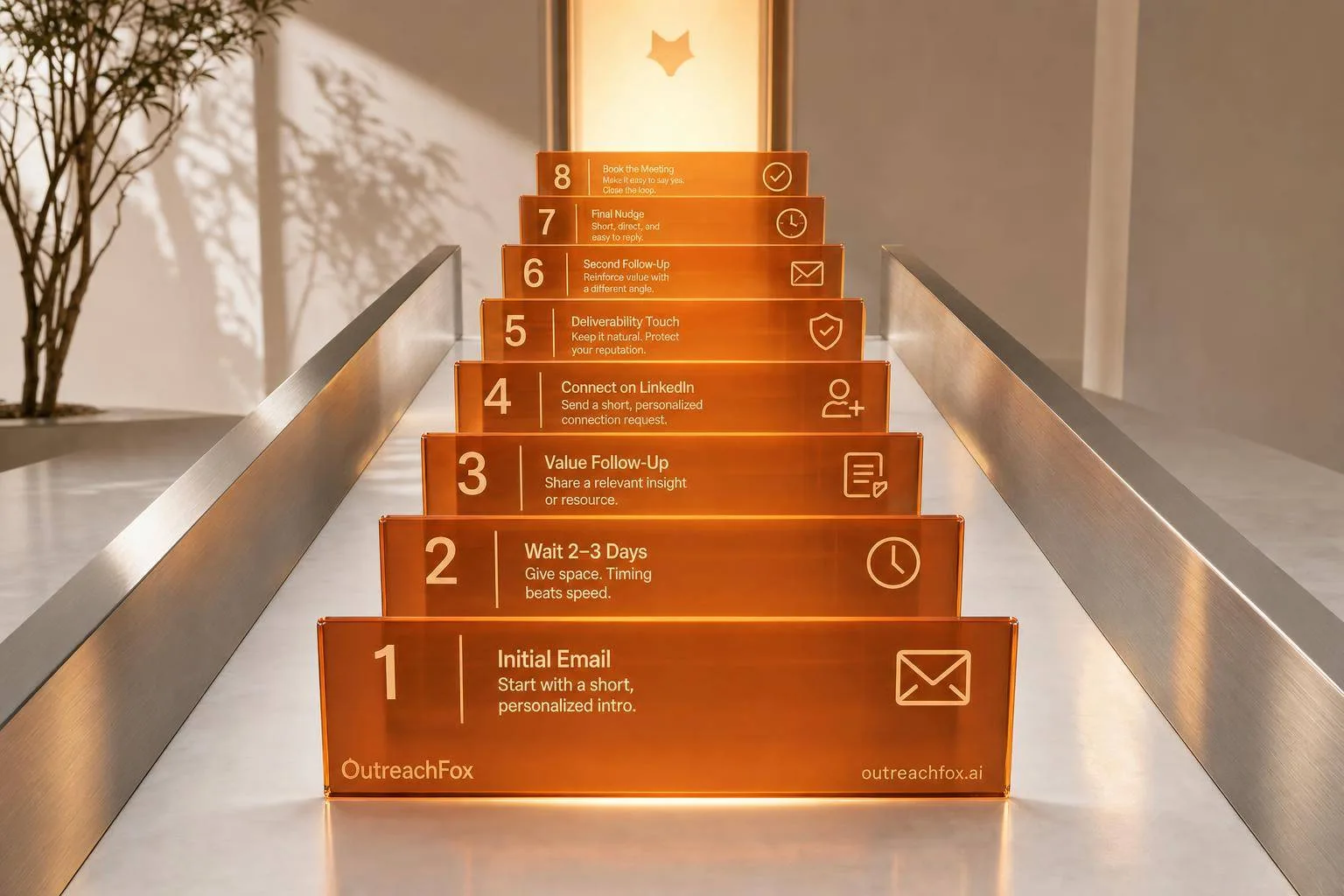
The Follow-Up Sequence That Actually Works: 8 Steps to Convert Cold Leads Into Customers
Most cold leads don't reply to the first email—55-60% of responses come after follow-ups. This proven 8-step sequence spreads touchpoints over 40 days, changes angles strategically, and moves non-responders to nurture.
Timothy VaddeJul 8, 2026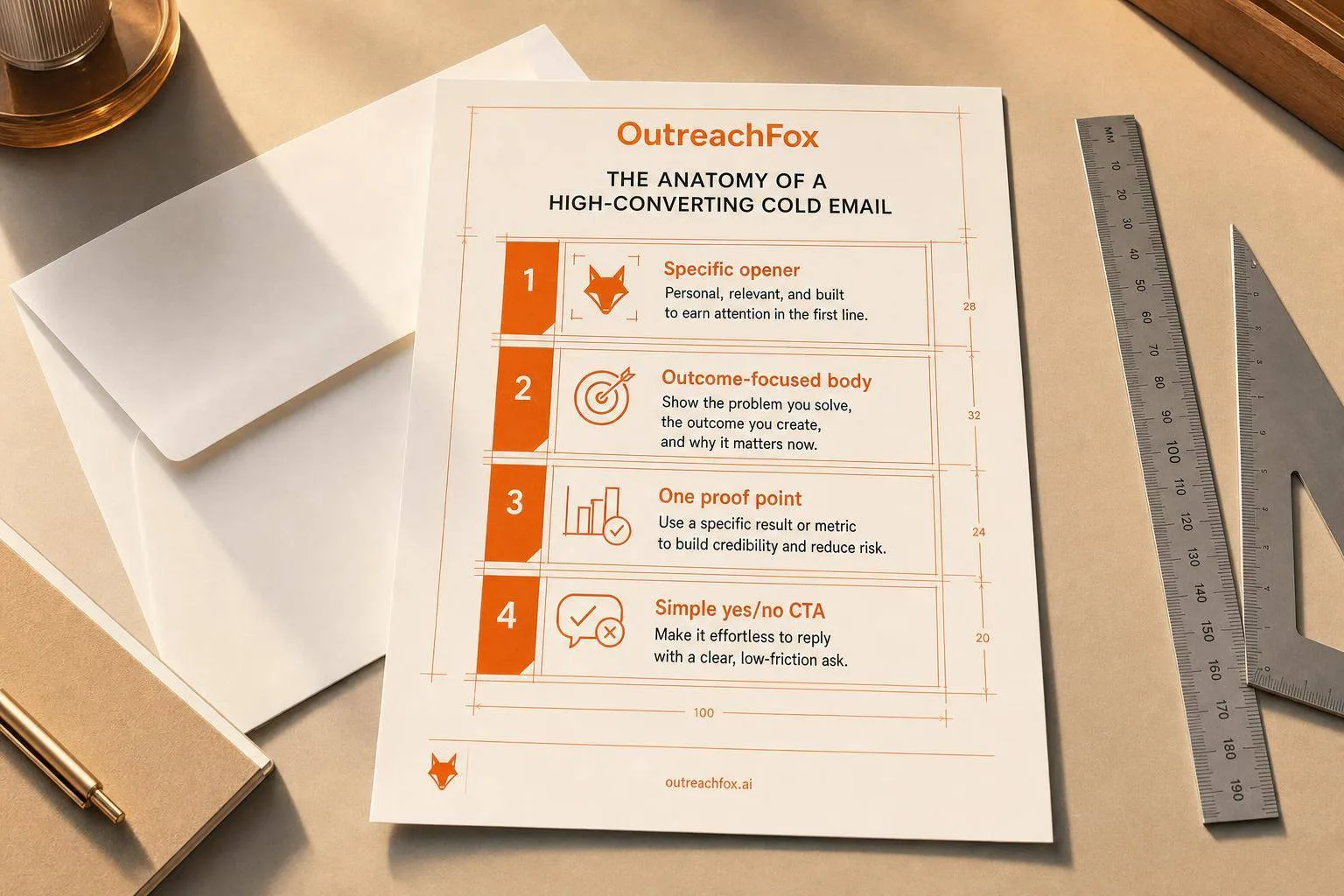
The Anatomy of a High-Converting Cold Email: Structure, Copy, and Real Examples
Most cold emails fail because they focus on the sender, not the reader. Learn the five-part structure that drives 40-60% open rates and 5-10% reply rates: personalized subject lines, research-based openings, clear outcomes, proof points, an
Timothy VaddeJul 8, 2026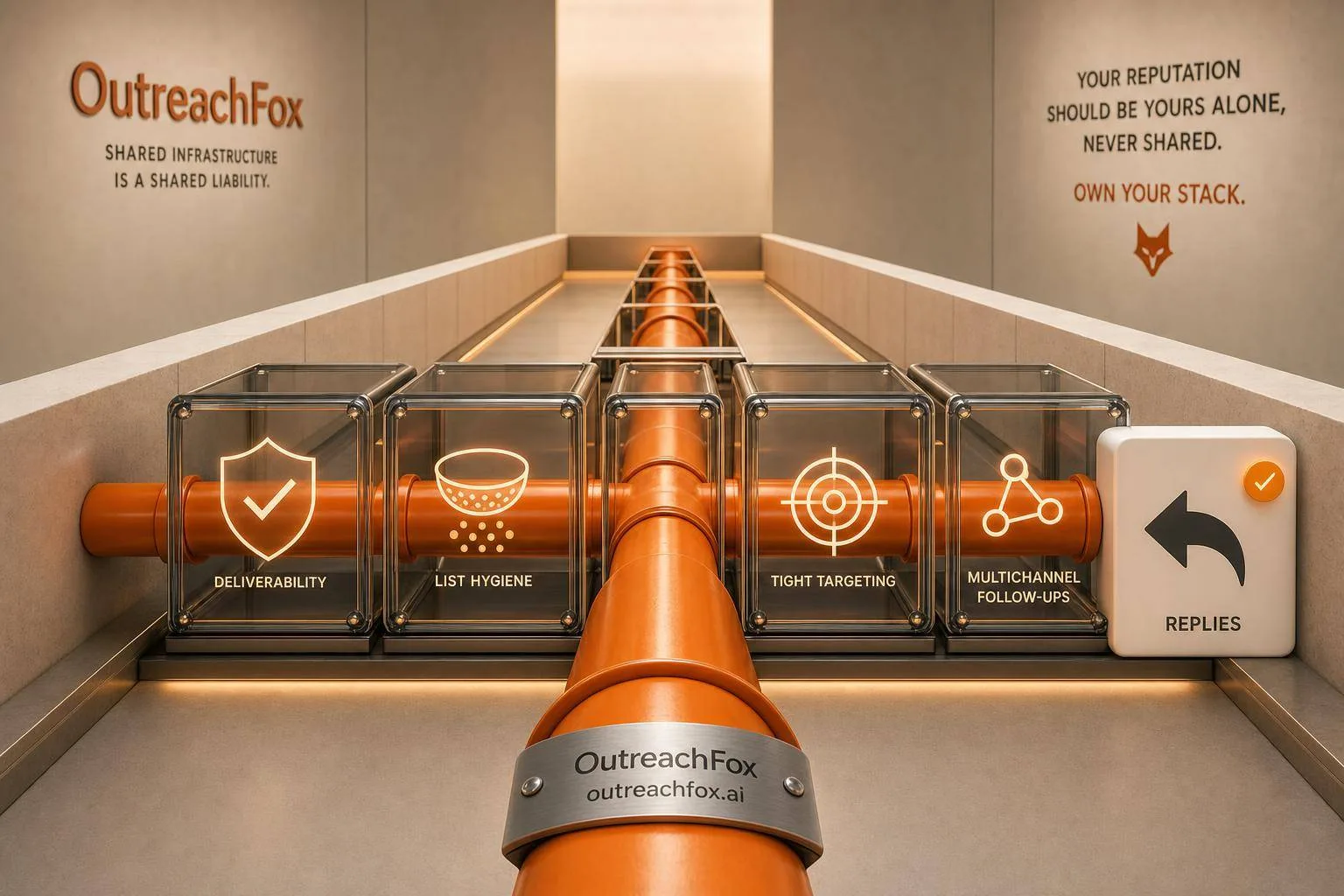
Cold Email Reply Rates 2026: Industry Benchmarks + 12 Tactics to Beat Them
Cold Email Reply Rates 2026: Industry Benchmarks + 12 Tactics to Beat Them If your cold email reply rate is under 2% , I’d treat it as a delivery or list problem first not a copy problem. In 2026, reply rate is still the KPI that matters mo
Timothy VaddeJul 7, 2026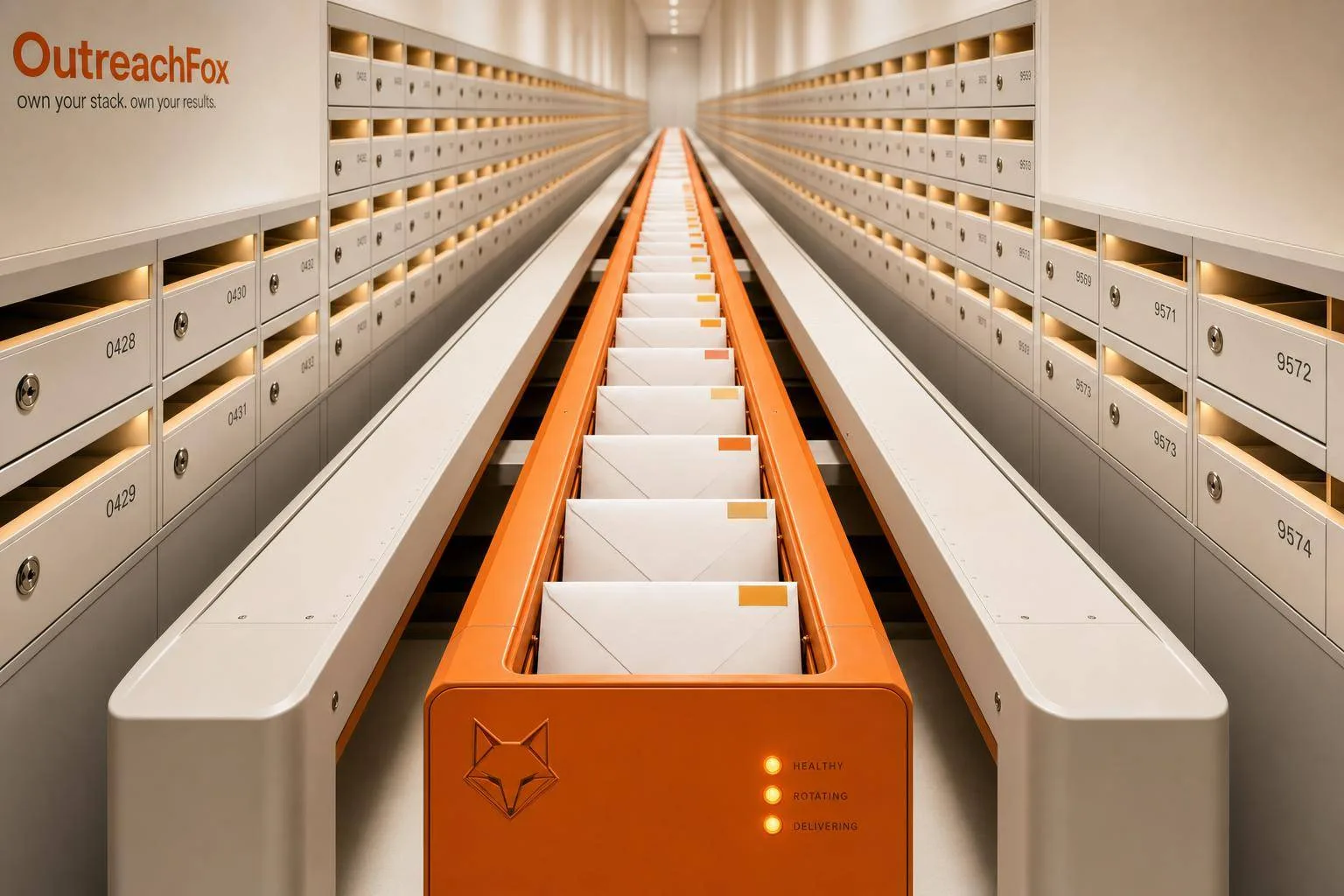
AI-Powered Personalization at Scale: How to Send Unique Emails to 10K Prospects
Learn how to scale AI-powered email personalization to 10,000+ prospects using data enrichment, signal-based prompting, and controlled sending infrastructure. This system-focused guide covers the complete workflow from data sourcing to test
Timothy VaddeJul 6, 2026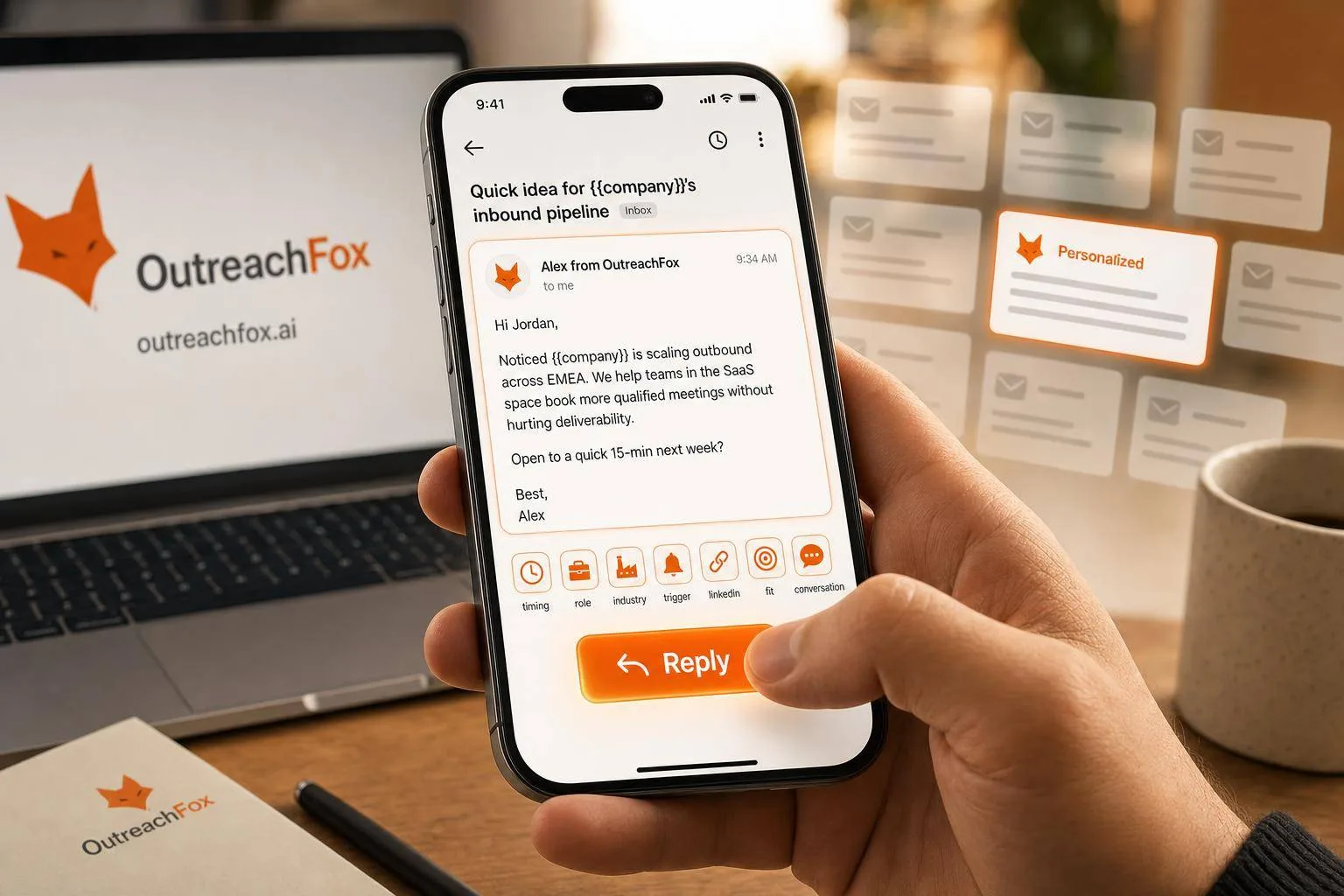
7 Personalization Tactics That Increase Cold Email Reply Rates (Data from 2M+ Emails)
7 Personalization Tactics That Increase Cold Email Reply Rates (Data from 2M+ Emails) Most cold emails fail because they feel mass sent. In this data set of 2,000,000+ emails , average reply rates fell to 3.43% in 2026 , while top senders r
Timothy VaddeJul 6, 2026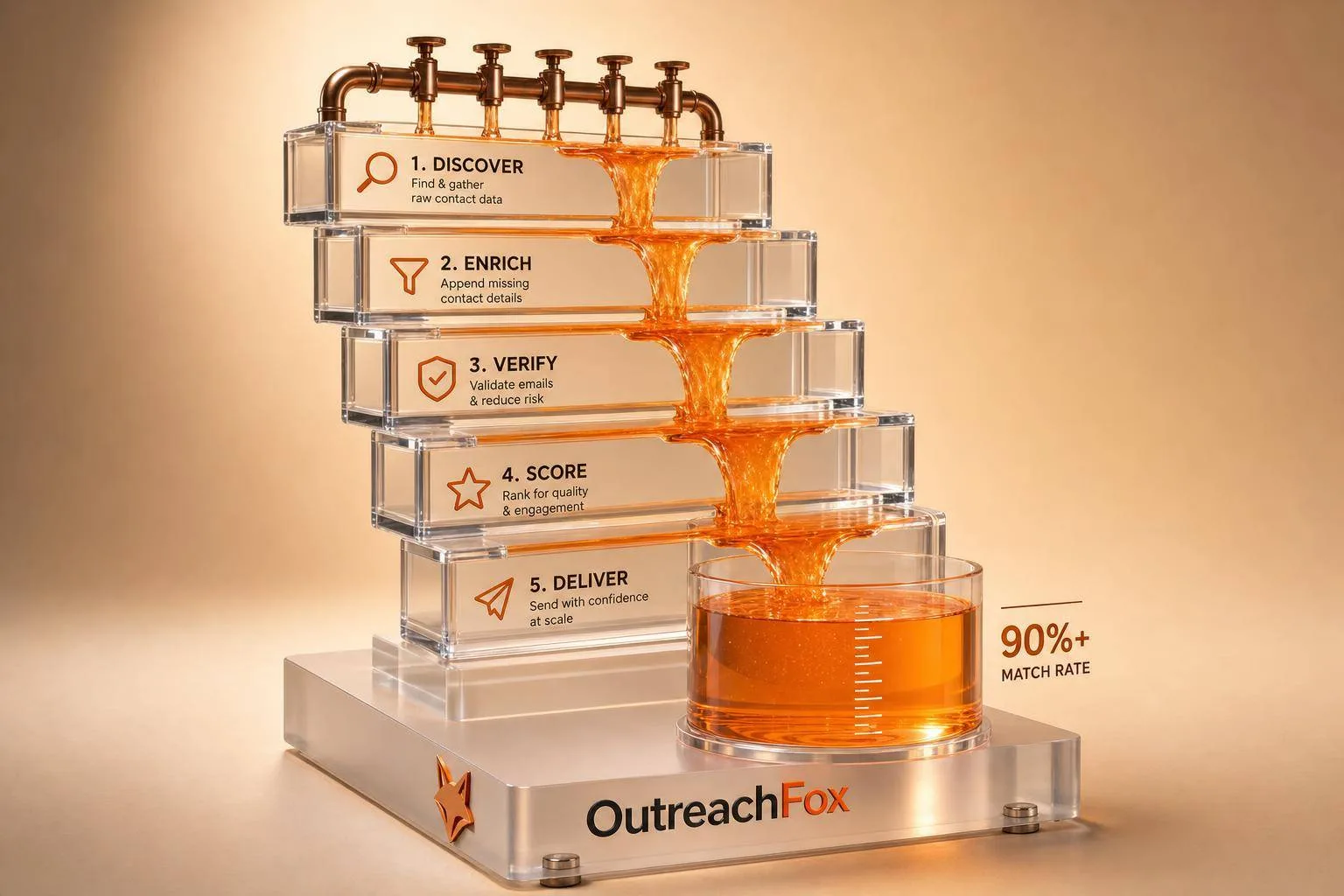
Waterfall Enrichment Explained: How to Hit 90%+ Match Rates (No More Single-Source Limits)
Single data providers max out at 40-70% match rates. Waterfall enrichment chains multiple sources sequentially, checking each until verified data is found, pushing coverage past 90% while keeping costs under $0.15 per contact.
Timothy VaddeJul 5, 2026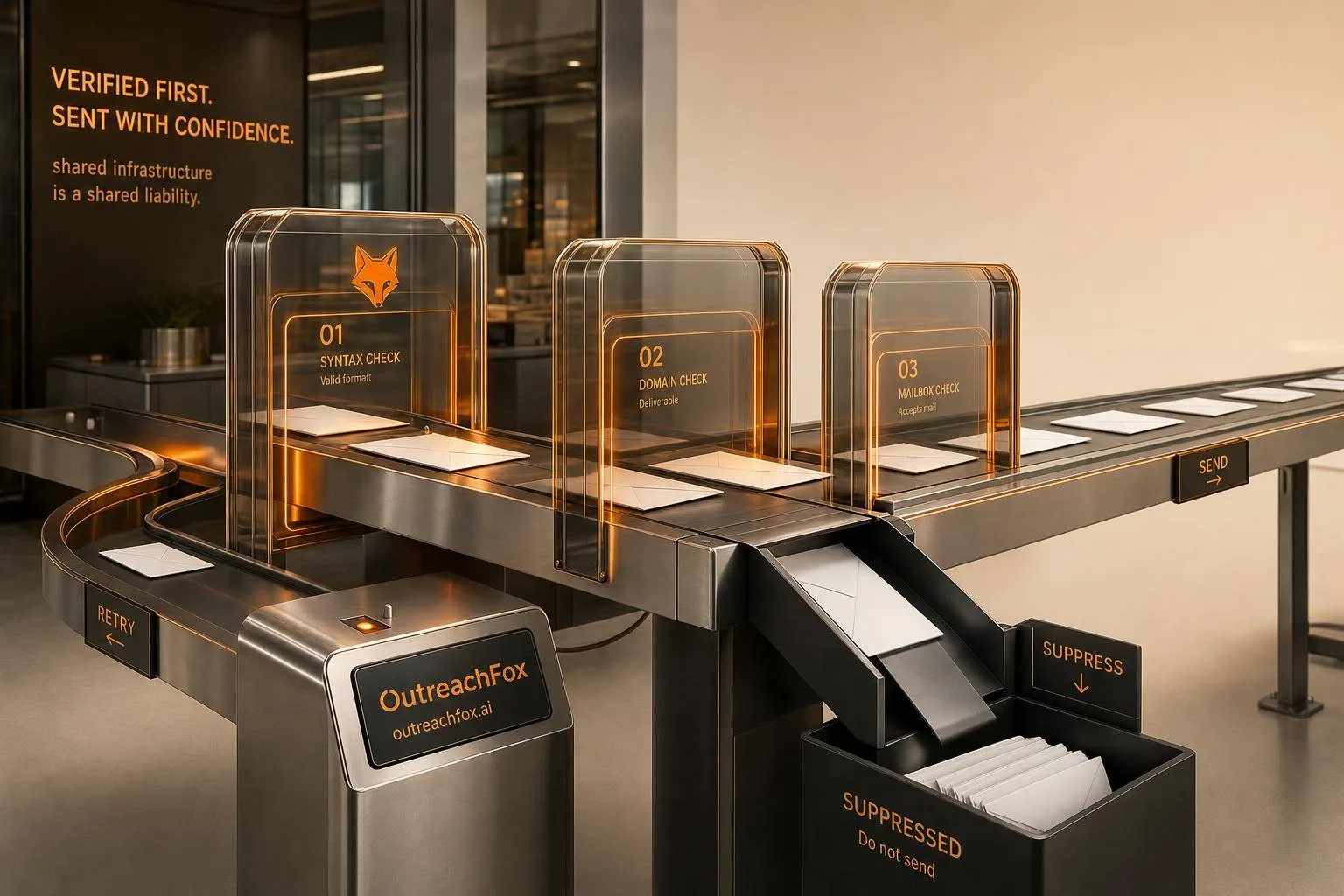
Email Verification for Cold Outreach: How to Catch Invalid Addresses Before Sending
Learn how to verify email addresses before cold outreach to keep hard bounce rates under 1%. This guide covers syntax, domain, MX, and SMTP checks, plus how to handle catch-all, role-based, and risky addresses.
Timothy VaddeJul 5, 2026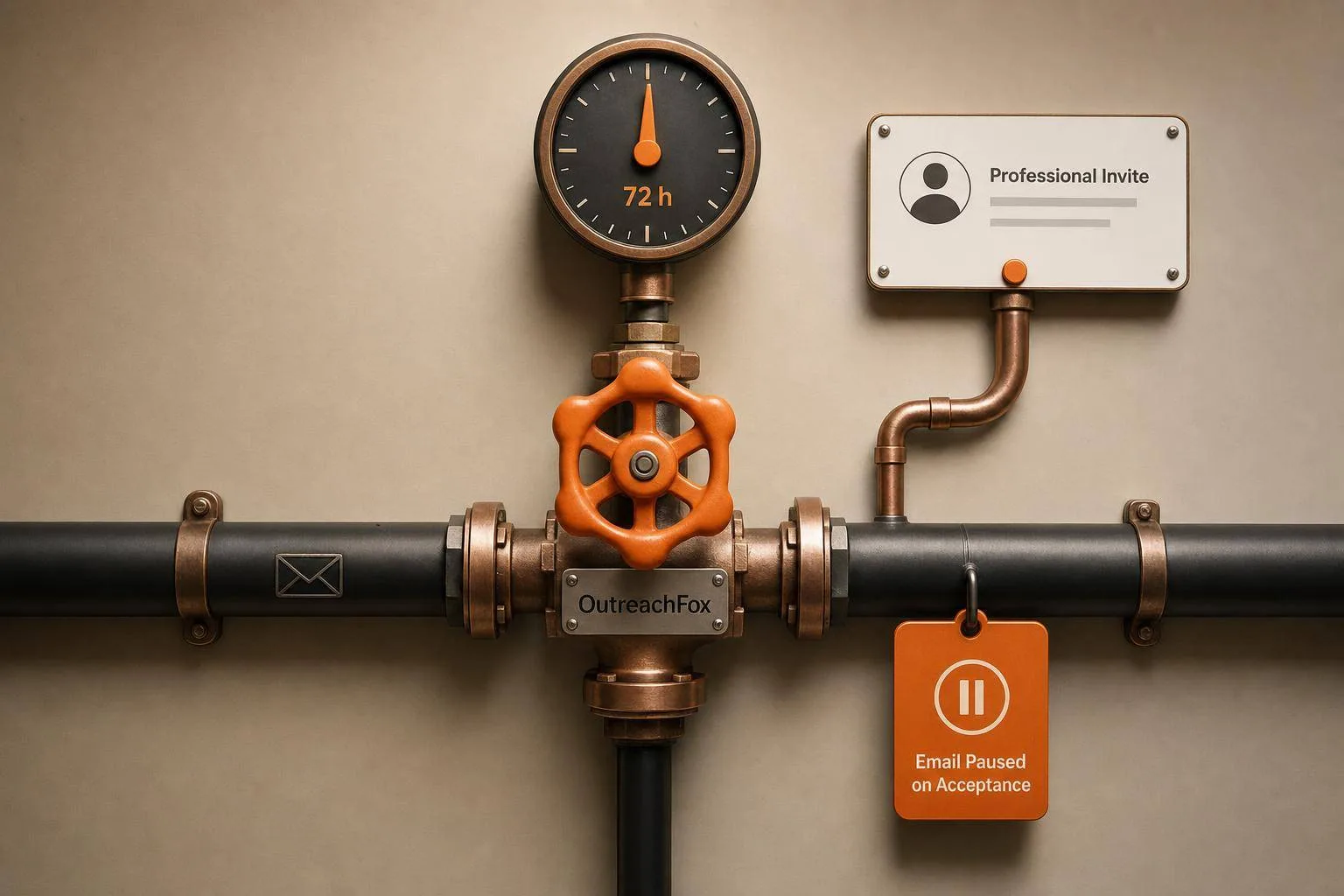
No Open in 3 Days? Trigger a LinkedIn Invite: Advanced Conditional Sequences Explained
Switch from email to LinkedIn when prospects don't open within 72 hours. This guide maps engagement signals to conditional triggers, building sequences that respond to opens, replies, bounces, and invite status instead of rigid timelines.
Timothy VaddeJul 4, 2026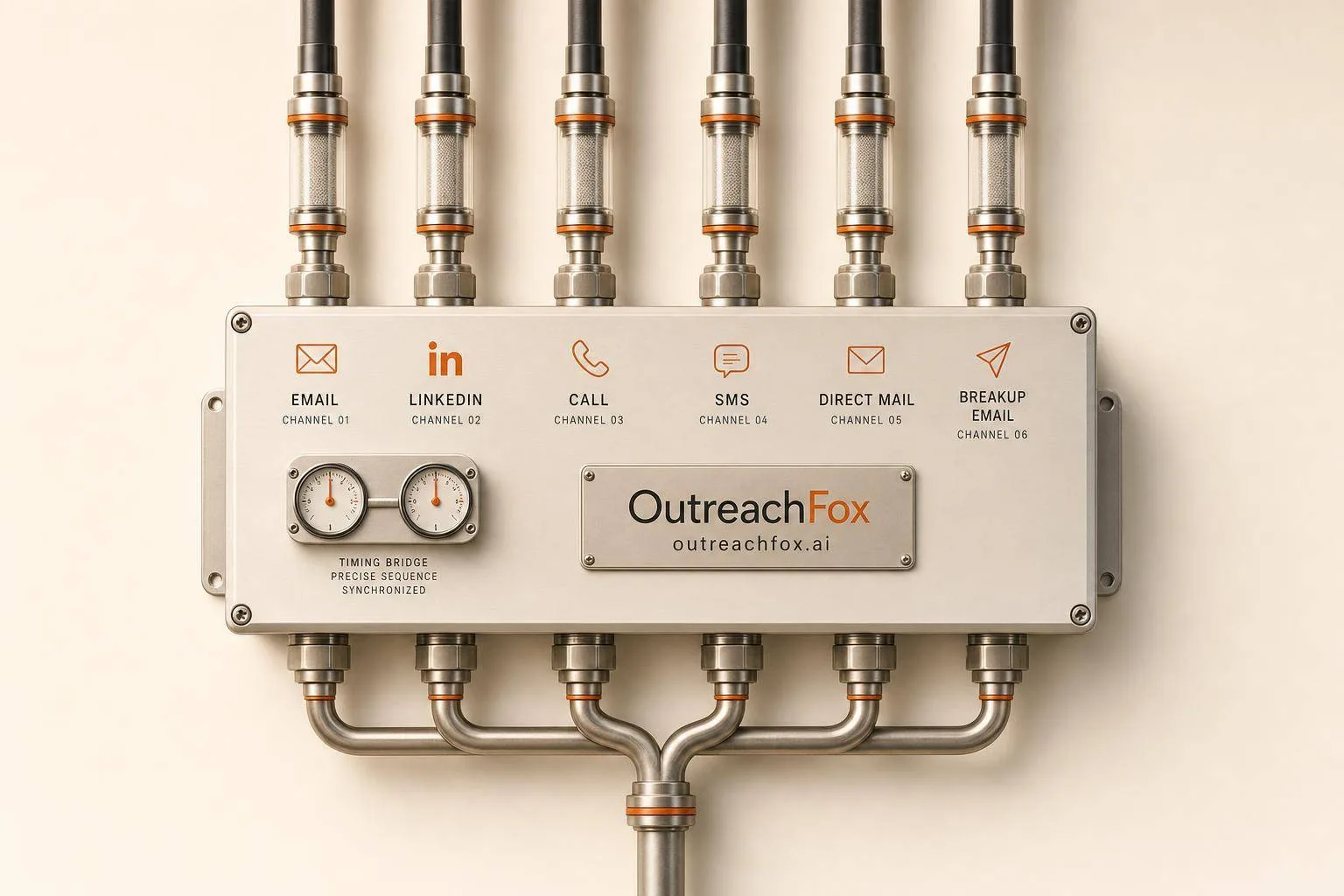
6 Multichannel Outreach Strategies That Increase Reply Rates by 40% (Tested)
6 Multichannel Outreach Strategies That Increase Reply Rates by 40% (Tested) Email alone is losing ground. With cold email replies often stuck around 3.43% to 5.1% and sometimes as low as 1% to 3% I’d treat multichannel outreach as the bett
Timothy VaddeJul 4, 2026